Photography
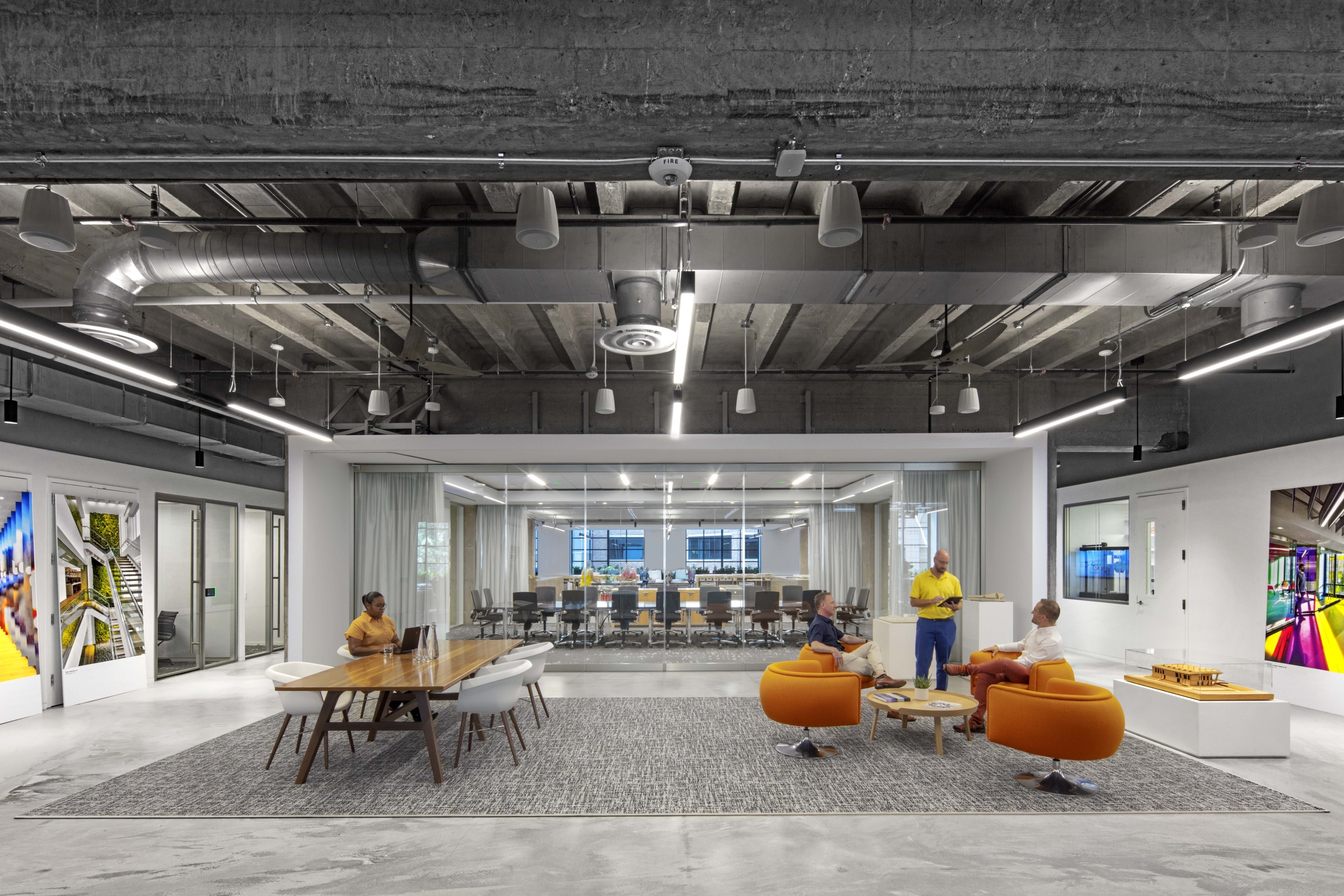
Photography plays an important role in USGBC’S brand style. Our purpose is to support storytelling, relate real-world experiences, and foster a sense of community. Photos should possess a human element when they can and show interactions, activities, or discussions between person-person, person-building, person-environment, or building-environment. LEED projects should be the focus of our photography, and we should always include credit for project information as well as photographer information.
Credits should look like this where possible: Name of Project | LEED Certification Level | Location | Photo: Photographer or Organization or Project name
If photos are being shown internationally, please include U.S. after the state location for clarity.
If space allows you should spell out state names in their entirety.
It is also good to include a territory like "Montreal, Quebec, Canada" when applicable to ensure the location is accurate.
Credits for other rating systems should look like this where possible: Name of Project | TRUE Certification Level | Location | Photo: Photographer or Organization or Project name
When typing credits for a project with multiple rating system achievements, the text can look like this: Name of Project | LEED Gold | TRUE Platinum | WELL Silver | Location | Photo: Photographer or Organization or Project name
The level of LEED certification should always be written first when applicable.


Duotones
Along with our project photography, USGBC also supports narratives through photography with branded duotones applied. These photos should closely support the story and add value to the narrative. They may show building materials, people, or building close ups. They can feature textures, interesting shapes or lines, and relationships with our built environment. Please reach out to the marketing team for use cases and approved duotone files. These duotones should not be applied to LEED project photography.


AI and Photography
AI offers new creative possibilities, but the credibility of USGBC depends on our continued emphasis on authenticity, human connection, and real results. We can use AI tools responsibly, to support design and storytelling in abstract or illustrative ways, but never to replace the achievements of the people and projects advancing our mission.
As new tools like artificial intelligence reshape creative processes, these guidelines ensure that our visual communications remain trusted, credible, and aligned with our commitment to real-world impact.
Acceptable Uses of AI-Generated Photography
AI-generated imagery may be used as a design or visual tool when the intent is conceptual, illustrative, or abstract. Appropriate examples include:
Backgrounds: Creating subtle, non-literal environments to enhance layouts without depicting identifiable structures.
Textures and patterning: Using AI to generate natural or material-like surfaces (e.g., wood grain, foliage, or light reflections) for use in composition or design elements.
Out-of-focus imagery: Employing soft-focus visuals or abstract depth-of-field effects that evoke mood or movement without representing real places.
Abstract applications: Supporting conceptual or metaphorical storytelling (for example, to express themes of connection, renewal, or systems thinking) without suggesting the depiction of a real project or site.
Prohibited Uses of AI-Generated Photography
AI-generated visuals must never:
Represent or imply real buildings, landscapes, or communities.
Depict architecture that could be interpreted as a LEED-certified or in-progress building.
Substitute for photography of actual projects, cities, or communities involved in sustainability work.
Include people or human figures, even in conceptual or abstract imagery. Our brand story relies on real human interactions and experiences.
Mislead viewers into believing AI-generated content is documentary or project-based.
Representation of USGBC, GBCI and LEED Projects
Our products, programs, and certifications must always be represented with authentic, achievable imagery.
When referencing a specific project or certification, always use verified photography provided by the project team or sourced from reputable channels with clear permissions.
Last updated